Solar Microgrid to Power Electric Transit Fleet at Colorado Nonprofit
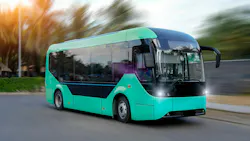
Via Mobility Services is installing a solar-and-storage microgrid at its Boulder, Colorado, facility to reduce electricity costs and support the electrification of its transit fleet.
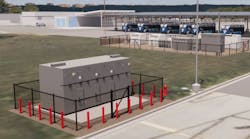
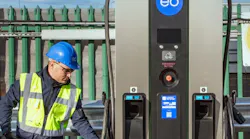
The project includes a custom-designed 300-kW solar carport, a 1.1-MWh battery energy storage system (BESS), electric vehicle (EV) charging infrastructure and advanced energy management technology. Construction is expected to be completed before the end of 2026.
The system is designed to help the facility achieve net-zero annual energy use while generating surplus electricity for EV charging. According to project partners, the installation is expected to save Via Mobility Services approximately $2.2 million in utility costs over the system's lifetime and avoid an estimated 16.3 million pounds of carbon dioxide emissions.
Founded in Boulder in 1979, Via Mobility Services provides paratransit, demand-response and contracted transportation services across the eight-county Denver metropolitan area. The nonprofit delivers more than 800,000 passenger trips annually, with approximately 80% of its riders classified as low- to moderate-income.
Via is transitioning toward a zero-emission fleet while also working to reduce emissions associated with its facilities. The organization already operates electric vehicles on the City of Boulder's HOP routes. Electrification of its smaller demand-response vehicles is expected to take place over a longer period as vehicle availability and funding allow.
Lower facility energy costs could help the nonprofit direct more resources toward accessible transportation and community services, said Via Mobility Services CEO Frank Bruno.
The project is being developed with support from RE-volv, a nonprofit that helps other nonprofits adopt solar energy, and SitelogIQ. Microgrid Labs is providing the system's advanced controls.
The installation illustrates how transit facilities can integrate on-site renewable generation, battery storage and EV charging to address both building energy needs and the growing electricity demands associated with fleet electrification.
Transportation agencies transitioning to electric vehicles face increasing demands on their facilities' electrical infrastructure. Integrating solar generation and battery storage can help manage those demands while reducing reliance on grid electricity.
For Via, the project is part of a broader effort to align its transportation services with its emissions-reduction goals while managing the operating costs associated with providing accessible mobility.