California Tribal Fire Station Adds Vanadium Flow Battery to Solar Microgrid
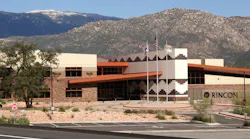
A solar-powered microgrid at the Soboba Fire Station near San Jacinto, California, now includes a vanadium flow battery system designed to provide at least 10 hours of backup power during grid outages and Public Safety Power Shutoff events.
The system serves the Soboba Band of Luiseño Indians' fire station and emergency response facilities, helping maintain operations when utility power is unavailable. The installation also is expected to help reduce the facility's energy costs.
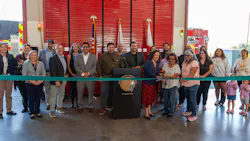
Representatives of the Soboba Band, GRID Alternatives and battery manufacturer Invinity marked the project's completion with a ceremonial handover last week.
The microgrid is particularly important for the Soboba reservation, which is located in a Tier 3 Extreme High Fire Threat Zone. The area has experienced repeated grid outages, some lasting more than 24 hours. During major incidents, the fire station serves as an emergency response facility, incident command center and community resource.
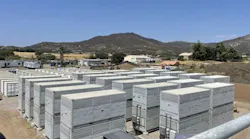
The battery uses vanadium flow technology, which stores energy in liquid electrolyte tanks. Unlike lithium-ion batteries, vanadium flow batteries use a non-flammable electrolyte and do not have the same potential for thermal runaway, according to Invinity.
The project was developed by GRID Alternatives with funding support from the California Energy Commission as part of the state's efforts to demonstrate long-duration energy storage technologies that do not rely on lithium-ion chemistry.
The installation provides the Tribe with an additional source of backup power for critical emergency services while demonstrating how solar generation and long-duration storage can support energy resilience at community facilities.